Those popular food packaging products from various countries
1. Japan - Wooden Plywood Layered Sushi Box (Top 1 in Popularity)
Core Advantages: Made from food-grade plywood paper, it is biodegradable and pollution-free, aligning with Japan's environmental philosophy; The layered design precisely separates different sushi, preventing the transfer of flavors and deformation due to squeezing, and the inner side of the box cover is equipped with ventilation holes to maintain the dry and crispy texture of the sushi rice; The box body is printed with simple and elegant patterns, combining practicality with aesthetic value, and is suitable for high-end sushi takeout scenarios.

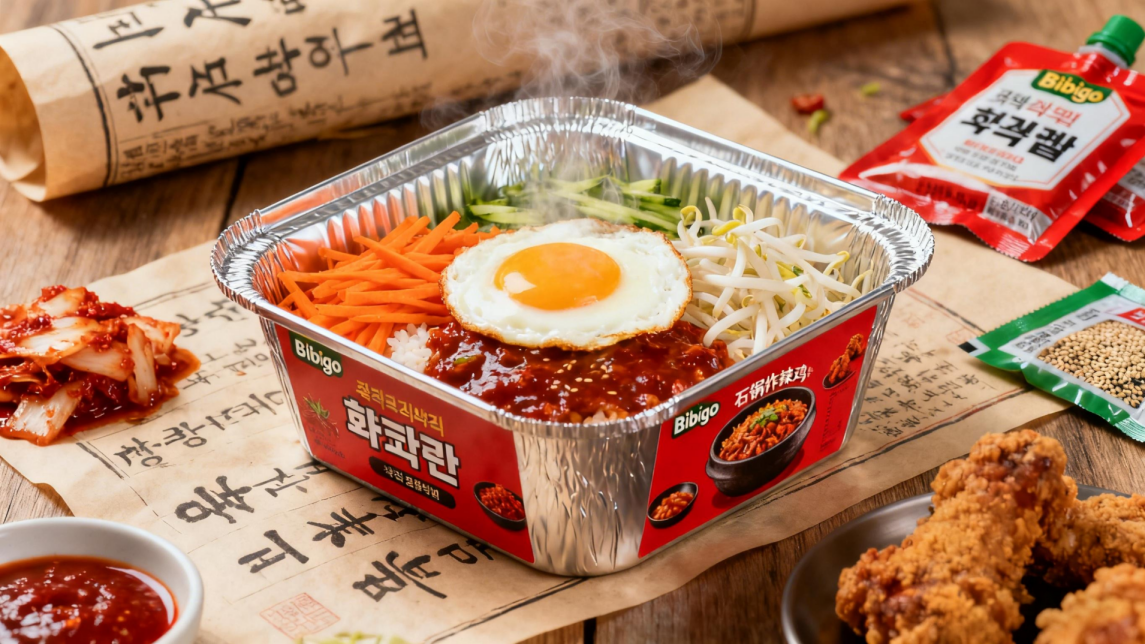
2. Korea - Aluminum Foil Inner Container Korean Food Box
Core Advantages: The outer layer is made of food-grade hard cardboard, and the inner layer is an aluminum foil container that can be microwaved. It combines both insulation and convenience, suitable for takeout of hot foods such as stone-bowl rice dishes and military-style hot pot; The aluminum foil material can lock in the original flavor of the ingredients and prevent the leakage of soup, and the outer layer of the cardboard is marked with Korean text and dish patterns, making it easy for consumers to identify; After use, the materials can be separated for recycling, in line with the Korean waste sorting policy.
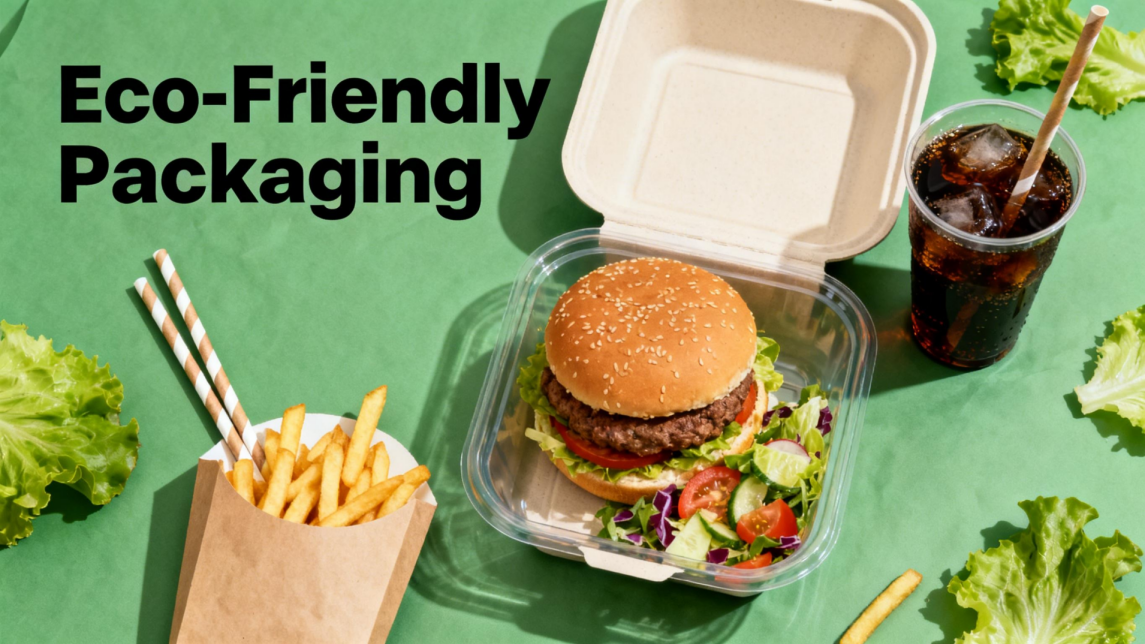
3. Europe and America - Biodegradable Corn Starch Food Containers
Core Advantages: Made mainly from corn starch, 100% biodegradable. When buried in the soil, it can naturally decompose into organic matter. This is a mainstream eco-friendly packaging choice in Europe and America. The material is hard and resistant to high temperatures, suitable for various Western-style takeout items such as hamburgers, salads, and pasta. It has excellent waterproof and oil-resistant properties and will not be damaged by food soup. It can be directly heated in a microwave oven to meet the convenient dining needs of consumers in Europe and America.
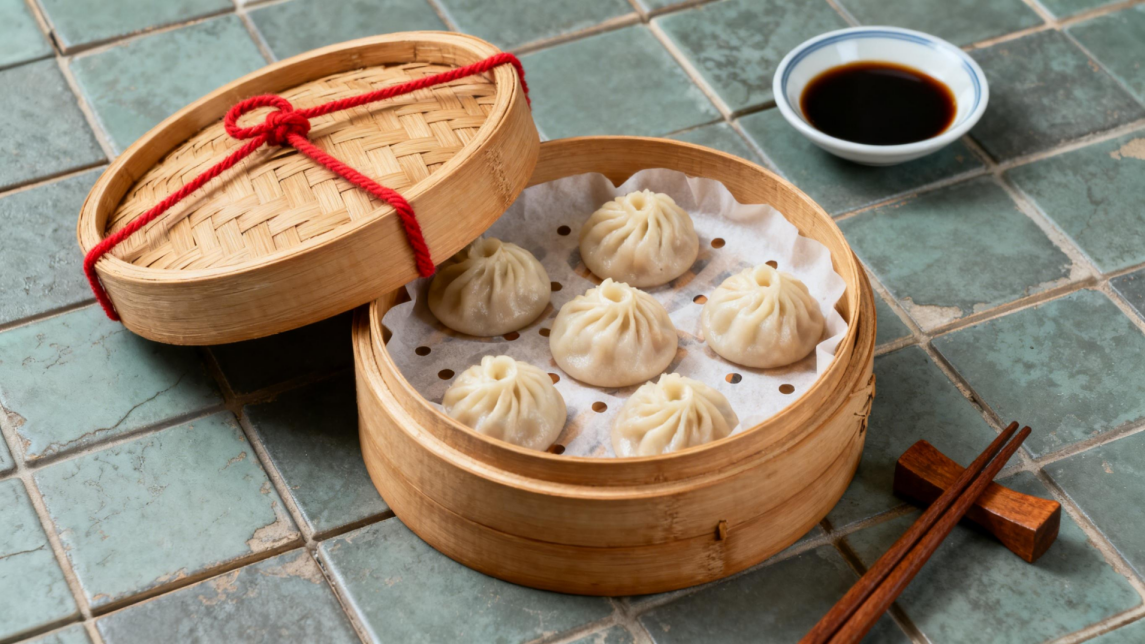
4. China - Bamboo Woven Air-Permeable Snack Box
Core Advantages: Made by hand from natural bamboo, it has excellent air permeability, suitable for traditional Chinese snacks such as small steamed buns, steamed dumplings, and zongzi, able to maintain the soft and tender texture and original flavor of the ingredients; The bamboo-woven material can be reused, simply washed and dried for reuse, with high cost-effectiveness; It has a strong traditional Chinese flavor and is the iconic packaging for Chinese specialty snack stores, combining cultural attributes and environmental value.
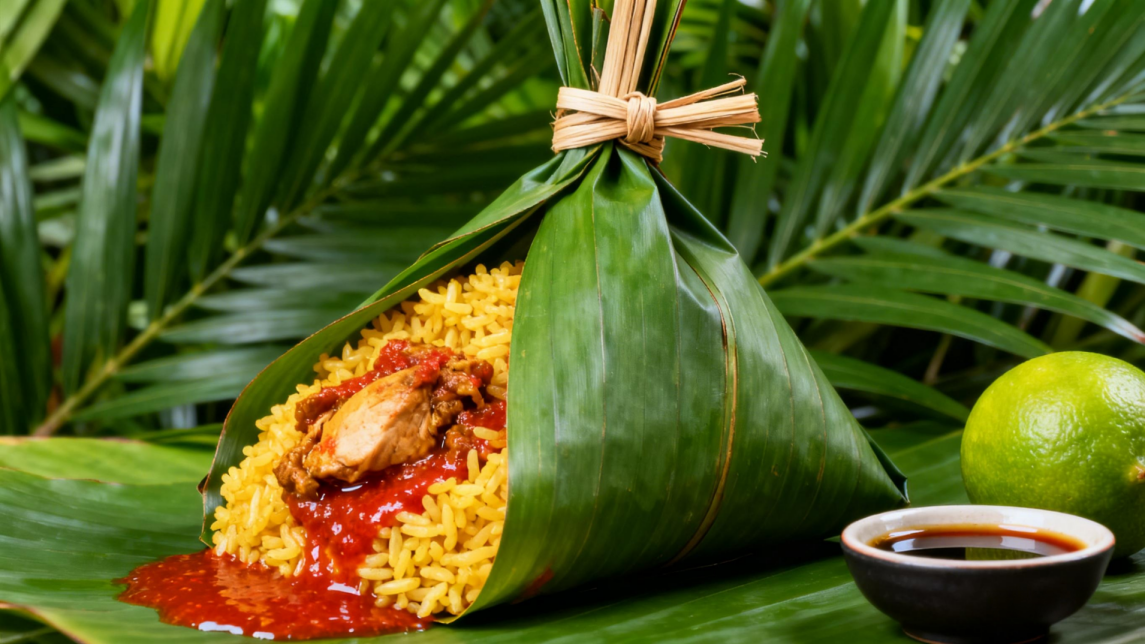
5. Southeast Asia - Banana Leaf Packaging
Core Advantages: Utilizing the abundant local banana leaves as a natural packaging material, no processing is required, the cost is extremely low, and it is completely biodegradable, which aligns with the tropical regional characteristics of Southeast Asia; the banana leaves have a natural fragrance, which can add a unique flavor to ingredients such as rice noodles, curry rice, and grilled meat, and also have good insulation and leak-proof effects; the packaging method is simple and practical, showcasing the original ecological dietary culture of Southeast Asia.
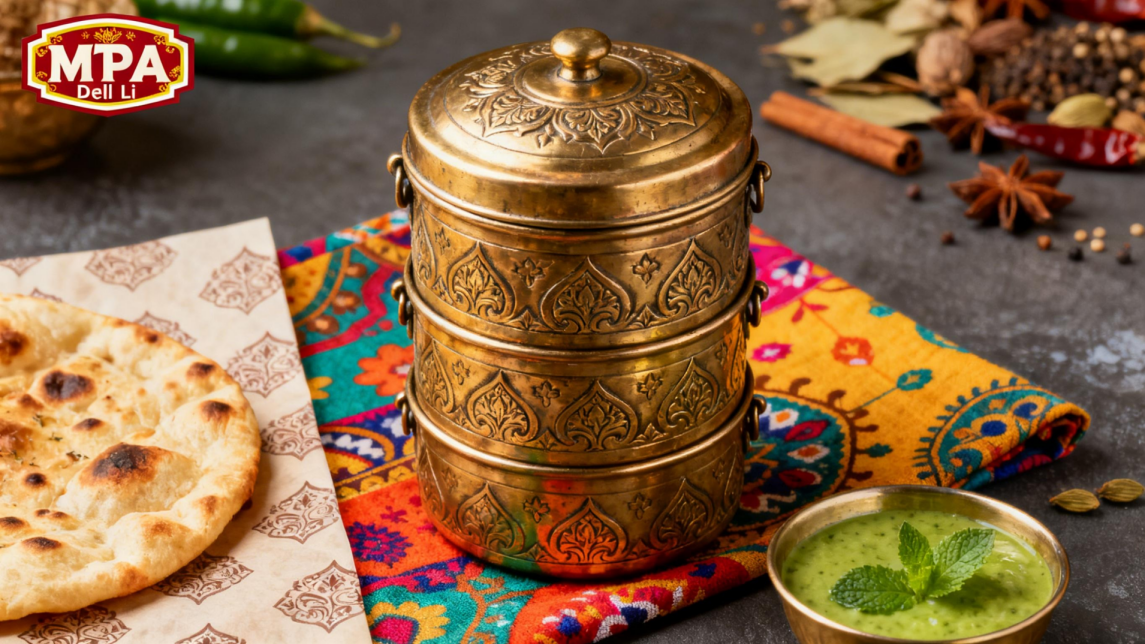
6. India - Traditional Copper Takeout Pot (Vintage Popular Model)
Core Advantages: Made of pure copper, copper has natural antibacterial properties, which can extend the shelf life of Indian delicacies such as curry, naan, and rice; It has excellent sealing performance, with a multi-layer stacking design that can separate different dishes and prevent spillage of soup, meeting the large demand for Indian family-style takeout; The copper pot can be reused, preserving Indian traditional dietary culture and reducing the waste of disposable packaging.