

Origin: Exploring the wisdom of ancient portable containers
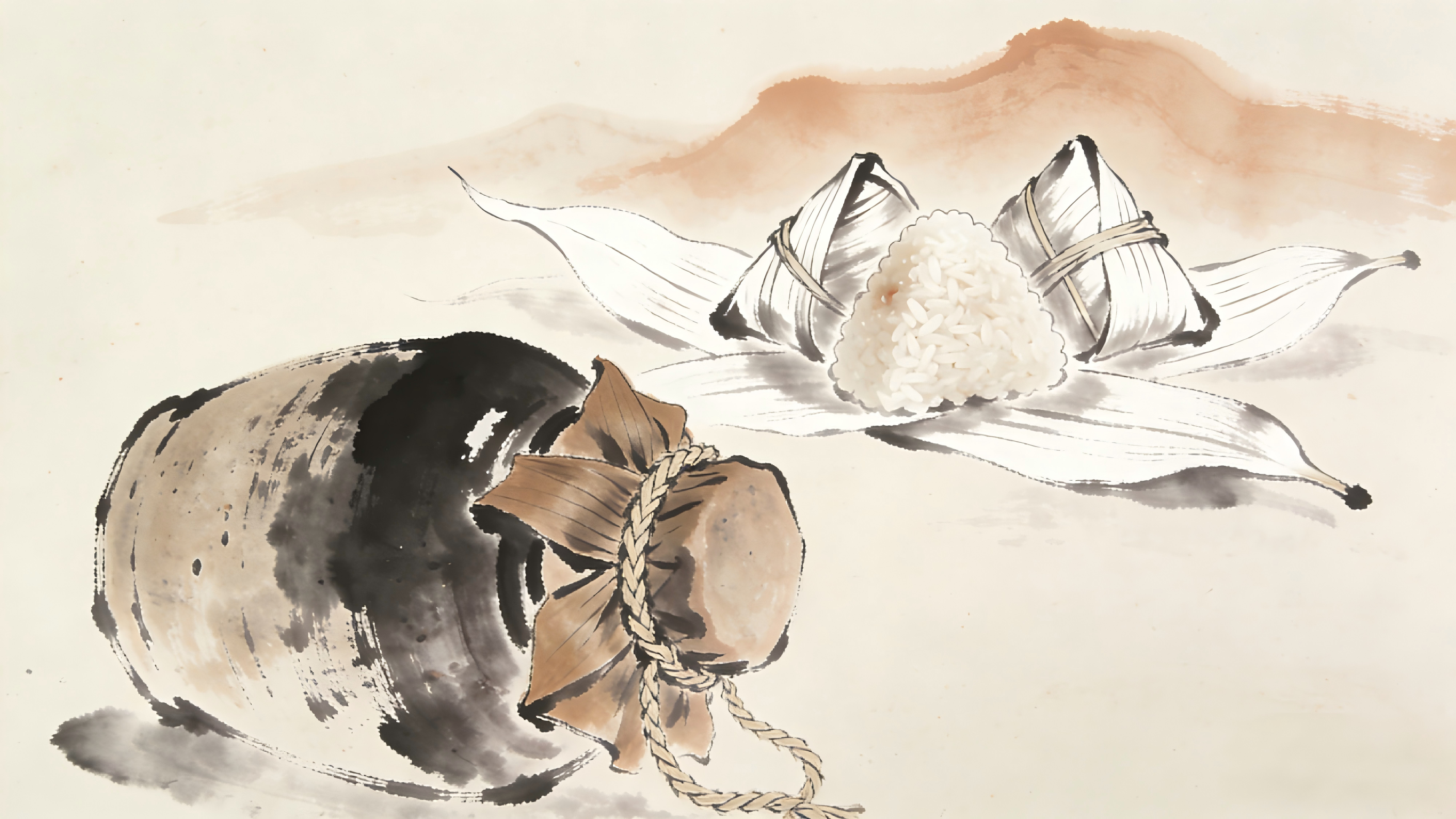
Disposable packaging boxes are ubiquitous in modern life, but they are not a unique invention of the modern era. Their historical roots can be traced back to ancient times. At that time, although people lacked modern industrial technology, they ingeniously created similar portable containers, which were the predecessors of disposable packaging boxes.
In ancient Greece and Rome, people began to use containers made of ivory or porcelain for convenient food carrying. These containers were not only practical but also highly crafted, reflecting the high production level of that time. Ivory containers were hard and fine in texture, with exquisite patterns carved on the surface, reflecting the artistic style and aesthetic concepts of ancient Greece and Rome; porcelain containers were white in texture, smooth in luster, and exhibited a unique elegant temperament, with good insulation properties, capable of maintaining the temperature of food well.
In eastern China, during the Song Dynasty, fast food restaurants often used bamboo lunch boxes and bamboo baskets as containers for customers to pack and take food away. Bamboo is a common and practical material in China, growing rapidly and easily accessible, and having the characteristics of being environmentally friendly and lightweight. The manufacturing process of bamboo lunch boxes is simple yet ingenious. By cutting and polishing bamboo, various shapes of lunch boxes can be made, with internal partitions that can separate different types of food and prevent spoilage or confusion. Bamboo baskets are more flexible. They can not only hold lunch boxes but also other foods, thus becoming a common choice for people to carry food when going out.
Although these ancient portable containers have significant differences in materials, manufacturing techniques, and appearance design from modern disposable packaging boxes, they were all created due to people's pursuit of convenient eating. They met the needs of people to carry food when going out, laid the foundation for the development of disposable packaging boxes, and witnessed the evolution of human dietary culture.
The Birth of Modern Disposable Meal Boxes
(1) 20th Century 50s: Paper Meal Boxes Mark the Era of Convenience
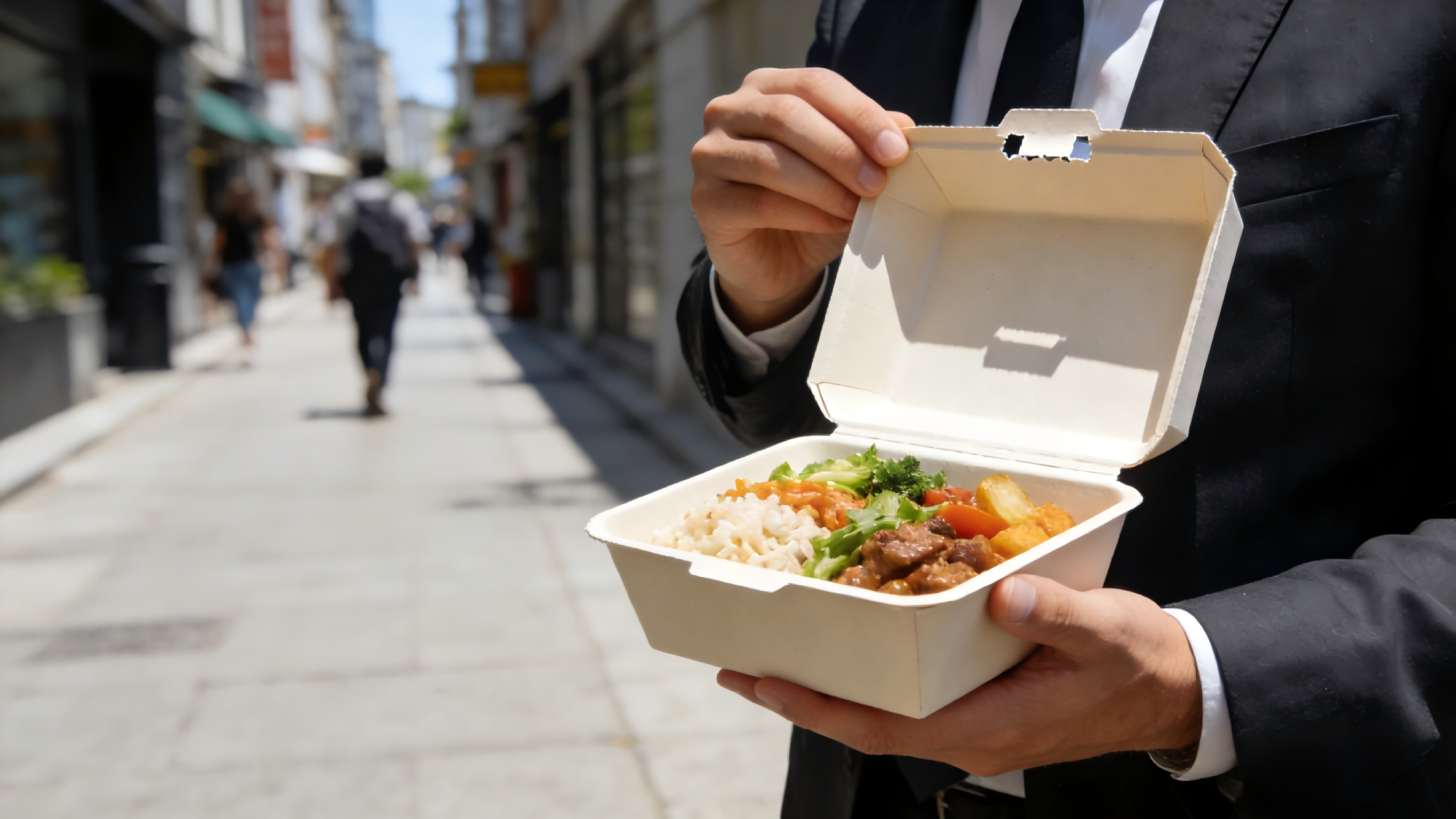
It was in the United States in the late 1950s that the disposable packaging trays truly came into the public eye. At that time, the American society was in a period of rapid development, and people's pace of life had significantly accelerated. The fast food industry emerged and thrived rapidly. Against this backdrop, people had higher demands for the convenience of dining methods, and the paper disposable trays were born to meet this need.
This kind of paper lunch box has many advantages. It can effectively maintain the temperature and freshness of the food. Through the special paper material and design, it can to some extent isolate the influence of external temperatures, preventing the food from cooling down or going bad too quickly. At the same time, the design of the paper lunch box also fully considers the convenience of packaging. Its shape and structure make it easy to quickly and neatly pack the food, and it is also easy to seal, making it convenient to carry. These features have made the paper lunch box the preferred choice for fast food restaurants and delivery companies, and it has quickly become popular in the market. For example, early fast food brands such as McDonald's used a large number of paper lunch boxes to package food, providing customers with convenient takeout services, which further promoted the popularity of paper lunch boxes.
(II) Material Innovation and Diversified Development
With the widespread popularity of disposable food containers, the market demand for them has been increasing day by day. People have also developed more diverse requirements for the performance and functions of food containers. To meet the packaging needs for different foods, people began to research and use various types of material food containers. Besides paper containers, plastic, foam plastic, ceramic and other materials' food containers have successively come into being.
Plastic food containers have gained a significant position in the market due to their low cost, light weight and durability. Their production cost is relatively low, enabling businesses to purchase them at a lower price and thereby reducing operating costs. At the same time, plastic food containers are lightweight, making them convenient to carry and transport, whether for food delivery or for consumers to take with them when going out. Moreover, plastic food containers have good sealing properties, effectively preventing the leakage of food soup and maintaining the integrity of the food. However, plastic food containers also have obvious drawbacks. Their main component is non-biodegradable plastic material, which takes a long time to decompose in the natural environment. This leads to serious environmental pollution problems, with a large amount of plastic food container waste accumulating, exerting great pressure on the soil, water bodies and other ecological environments. (Our Food Packaging:Plastic Food Containers,Bagasse Food Container,Kraft Paper Container)
Paper food containers have gained attention due to their environmentally friendly and biodegradable properties. Their raw materials mainly come from natural wood, bamboo and other plant fibers. They can degrade relatively quickly in the natural environment and do not remain for a long time like plastic food containers, causing less harm to the environment. In addition, paper food containers have excellent printing performance and can print various exquisite patterns and texts on the surface, serving as a means of publicity and beautification. However, paper food containers also have some drawbacks. For instance, their waterproof and oil-resistant properties are relatively weak. For foods with a lot of soup or high oil content, leakage is prone to occur. Moreover, the production cost is relatively high, which to some extent limits its wide application.
Foam plastic lunch boxes were once a common choice. They have excellent insulation properties and can maintain the temperature of food for a long time, making them particularly suitable for packaging hot foods such as hot soup and hot meals. In cold weather, consumers can still feel the appropriate temperature when they eat the hot food contained in the foam plastic lunch box after a long time. However, foam plastic lunch boxes also have serious environmental problems. Their main components are substances like polystyrene that are difficult to degrade and cannot be decomposed in the natural environment. Moreover, when they are burned, they produce toxic and harmful gases, causing pollution to the atmospheric environment. Additionally, foam plastic lunch boxes have low strength and are prone to breakage. During use and transportation, they require more care.
Although ceramic food containers are relatively less used in one-time use scenarios, they are still applied in some high-end catering deliveries or for the packaging of specific foods. Ceramic has excellent heat resistance and does not react chemically with food, ensuring the original flavor and safety of the food. At the same time, ceramic food containers have exquisite appearance and excellent texture, which can enhance the grade of the food and the dining experience of consumers. However, ceramic food containers are heavy, fragile, have high transportation costs, and are expensive, making them difficult to become the mainstream choice for disposable food containers.
These disposable food containers made of different materials each have their own advantages and disadvantages. They coexist in the market, meeting the needs of various consumers and businesses, and also promoting the continuous development and innovation of the disposable food container industry.