Phase 1: Birth of the Modern Fast Food Model (1940-1954)
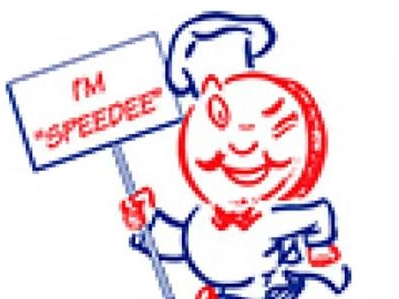
In 1940, the McDonald brothers opened a barbecue restaurant named "Dick and Mac McDonald's Bar-B-Q" in San Bernardino, California, which was the predecessor of McDonald's. In 1948, the brothers discovered that hamburgers and french fries were the products with the highest sales volume and the most stable profits in the store. So they made a bold reform of the business model: closing dine-in service, simplifying the menu to 9 core products, eliminating waiters and adopting self-service ordering, and breaking down the hamburger production process into standardized steps. They established the world's first "Fast Service System" (Speedee Service System), which completely laid the foundation for the of modern fast food industry, McDonald's.
After the reform, McDonald's quickly became a phenomenon in the local area with its 15-cent affordable hamburgers and extremely efficient food delivery. On April 15, 1955, Ray Kroc opened his first McDonald's store in Des Plaines, Illinois, and established the McDonald's System Company (the predecessor of McDonald's), which was designated as the official founding date of the McDonald's brand. The opening day's sales reached $366.12. To ensure the uniform quality of all stores worldwide, Ray Kroc implemented extreme standardized management: breaking down the hamburger production process into 38 precise steps, including the frying time of the meat patty, the oil temperature of the fries, and the weight of the sauce, all quantified to seconds and milligrams. Even the cleaning standards of the stores and the placement of cleaning rags were clearly stipulated. In 1961, Ray Kroc completely acquired the brand ownership from the McDonald brothers for $2.7 million, clearing the way for the expansion of scale, and in the same year, he founded the Burger University to systematically train store management talents, preparing a talent pool for global expansion.
In 1962, McDonald's adopted the classic "Golden Arch" M-shaped logo, and in 1963, launched the "McDonald's Uncle" brand IP, quickly becoming the second most recognizable image among children in the United States, second only to Santa Claus. In 1965, McDonald's was successfully listed on the New York Stock Exchange, and in 1968, the classic product Big Mac was officially launched. By 1969, the number of stores in the United States exceeded 1,000, making it the largest fast food chain brand in the country.
Phase 2: Branding and Nationwide Scale Expansion (1955-1969)
In 1954, Ray Kroc visited a McDonald's store and was shocked by its standardized operation model. He immediately reached an agreement with the McDonald brothers and obtained the exclusive agency rights for nationwide franchising. On April 15, 1955, Ray Kroc opened his first McDonald's store in Des Plaines, Illinois, and established the McDonald's System Company. This day was also designated as the official founding date of the McDonald's brand. The opening day's sales reached $366.12. To ensure the uniform quality of all stores worldwide, Ray Kroc implemented extreme standardized management: breaking down the hamburger production process into 38 precise steps, including the frying time of the meat patty, the oil temperature of the fries, and the weight of the sauce, all quantified to seconds and milligrams. Even the cleaning standards of the stores and the placement of cleaning rags were clearly stipulated. In 1961, Ray Kroc completely acquired the brand ownership from the McDonald brothers for $2.7 million, clearing the way for the expansion of scale, and in the same year, he founded the Burger University to systematically train store management talents, preparing a talent pool for global expansion.
In 1962, McDonald's adopted the classic "Golden Arch" M-shaped logo, and in 1963, launched the "McDonald's Uncle" brand IP, quickly becoming the second most recognizable image among children in the United States, second only to Santa Claus. In 1965, McDonald's was successfully listed on the New York Stock Exchange, and in 1968, the classic product Big Mac was officially launched. By 1969, the number of stores in the United States exceeded 1,000, making it the largest fast food chain brand in the country.
Phase 3:On October 8, 1990, McDonald's opened its first store in the Chinese mainland in Guanghua Building in Shenzhen, officially entering the Chinese market. After entering China, McDonald's continued to follow the global standardized system, while gradually introducing products that catered to the tastes of Chinese consumers, such as grilled chicken legs burger and spicy chicken legs burger. In 1992, the Beijing Wangfujing store opened, setting a record for the highest single-day customer flow for a McDonald's store worldwide at that time, witnessing the brand's explosion in the Chinese market.
By 2000, McDonald's had over 30,000 stores in more than 120 countries and regions around the world, and the golden arches became one of the global symbols of American culture.
Phase 4:Digital Transformation and the New Era of Sustainable Development (2001 - present)
After 2000, McDonald's gradually shifted from "scale expansion" to "quality upgrade", optimizing store experiences, upgrading food standards, and accelerating digital transformation. Since 2015, McDonald's has promoted the "Future Restaurant" model globally, introducing digital facilities such as self-service ordering machines, double-check counters, and delivery cabinets to restructure the consumption scenario. In 2017, McDonald's sold the franchise rights of the Chinese mainland and Hong Kong markets to a consortium composed of CITIC Capital and Carlyle Group, establishing Golden Arch China and initiating a new stage of local operation.
In recent years, McDonald's has continuously focused on sustainable development, launching plant-based meat products and degradable packaging, while deepening local innovation and introducing popular products such as spicy chicken wings and Angus MAX series, continuously consolidating its position in the Chinese market. By 2025, McDonald's has over 40,000 stores in more than 100 countries and regions around the world, and is the highest-revenue fast-food chain brand globally.