Interesting dining habits of various countries
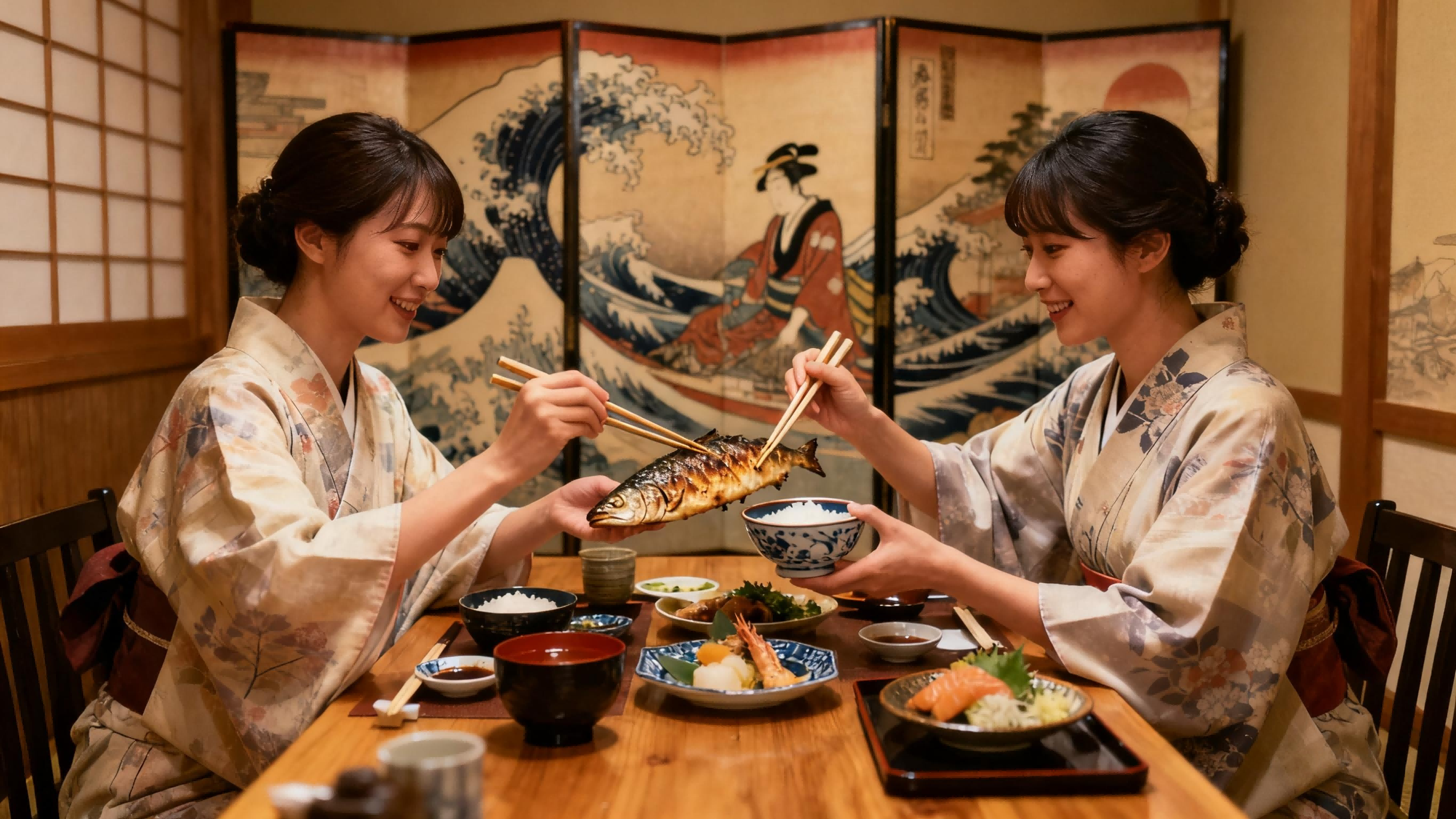
Detailed Explanation of Japanese Dining Habits:
① Rules of Using Chopsticks: Apart from passing food, there are also taboos such as inserting them into the rice or pointing at others with chopsticks. These behaviors are considered inauspicious as they are related to sacrificial rituals. To use chopsticks correctly, the thumb and index finger should hold the top, the middle finger should rest on the chopsticks, and the ring finger and little finger should assist in stabilizing them. Chopsticks should not be used to stir the food in the bowl.
② Sharing Meal Culture: Modern families still maintain the practice of sharing meals, each person having their own portion of rice, miso soup, and side dishes to avoid cross-contamination. In high-end kaiseki cuisine, each course is served one by one, and guests need to finish one course before moving on to the next, embodying the concept of "once in a while" and cherishing each moment.
③ Ramen Etiquette: Making a "sucking" sound while eating ramen is a compliment to the chef, as the hot noodles need to be cooled quickly and allow the soup to mix with air to enhance the flavor. After finishing, guests should drink up the remaining soup at the bottom of the bowl and wipe their mouths with a tissue instead of a napkin (except in high-end restaurants).
④ Izakaya Culture: The "second meeting" after work often takes place in izakaya. Ordering follows the principle of "one sauce, three dishes" (one pot of alcohol, one side dish to accompany the alcohol, one main dish, and one soup). The staff will proactively add more alcohol with a friendly attitude, and guests should hold the cup with both hands to receive it. When drinking, say "Cheers!" but do not clink glasses together.
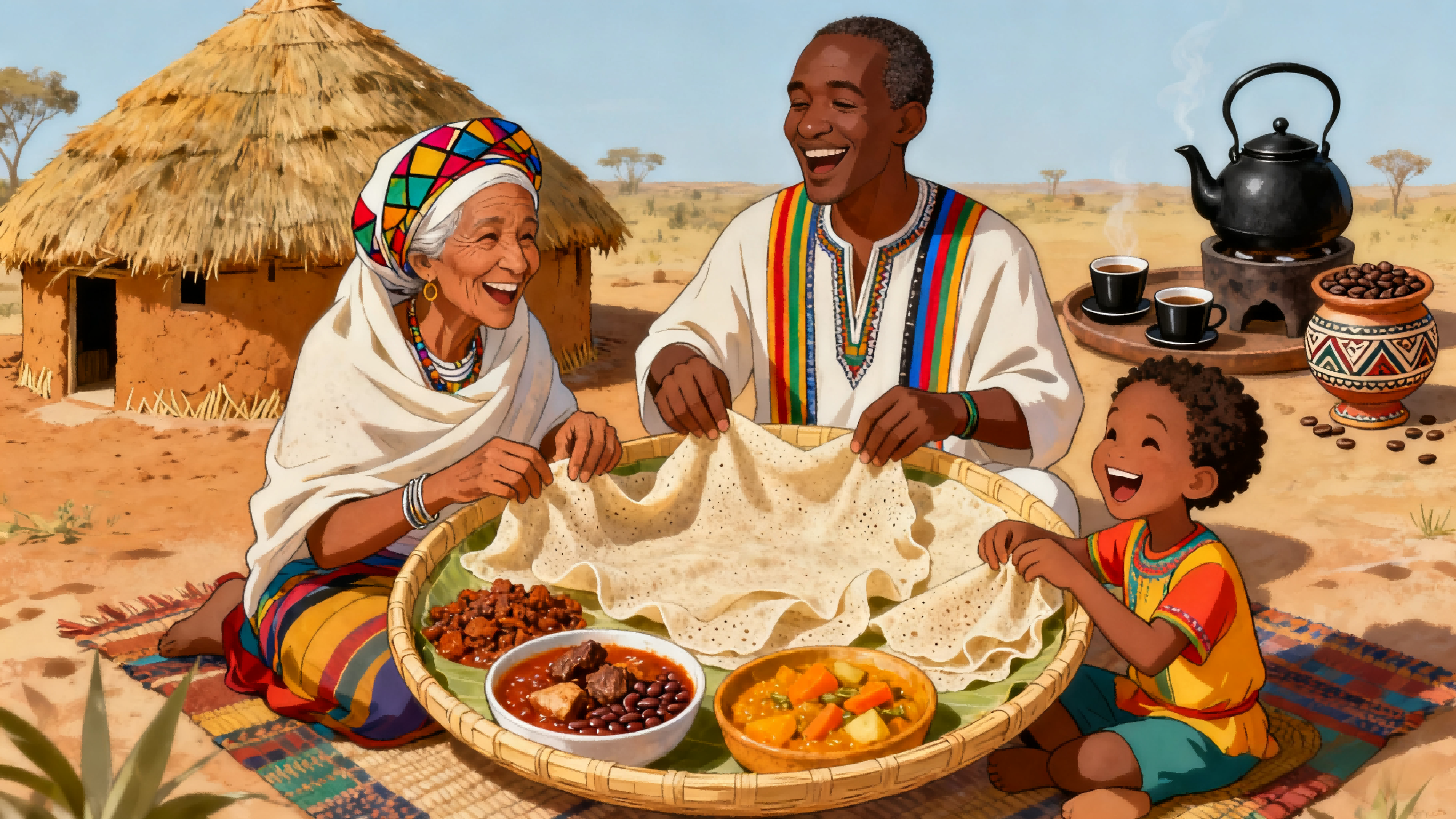
Ethiopian Dining Habits Explained:
① The Sanctity of Ingira: As the national dish, Ingira is made by fermenting teff flour for 3 days, resulting in a sponge-like texture with a slight sourness. It is called "the bread of life". During the preparation process, women kneel and use a specially designed earthenware plate to bake it over an open flame. The circular crust symbolizes the sun, and the irregular edges represent the imperfections of nature. When eating, one should tear from the edge towards the center and cannot directly grab the middle part.
② The Philosophy of Sharing Meals: The entire family sits around a "grass-covered table", with a large plate of Ingira placed in the center, topped with stewed beef, vegetable curry, bean paste, and other dishes. Each person uses their right hand to tear the bread and dip it into the food in front of them. One cannot cross over to another person's area. This feeding culture is particularly prominent at weddings, where the groom must personally feed the bride to show his responsibility.
③ Coffee Ceremony: The coffee ceremony after the meal lasts for 1 hour. The hostess wears a traditional white dress and uses an earthenware pot to boil coffee over charcoal fire. The coffee beans need to be roasted and ground on the spot. The first cup is the strongest, the second cup has a little sugar added, and the third cup symbolizes a blessing. Guests must finish three cups, and leaving the table halfway is considered disrespectful.
④ No Tableware Culture: Apart from Ingira, when consuming (raw minced beef), one needs to knead it into a ball with their hands. It is paired with (fried spinach) and (teff flour) powder. The temperature of the fingers can enhance the flavor of the beef. Traditionally, the right hand is considered the "clean hand", while the left hand is used for activities like going to the toilet and is considered unclean. Therefore, it is strictly forbidden to touch food with the left hand.
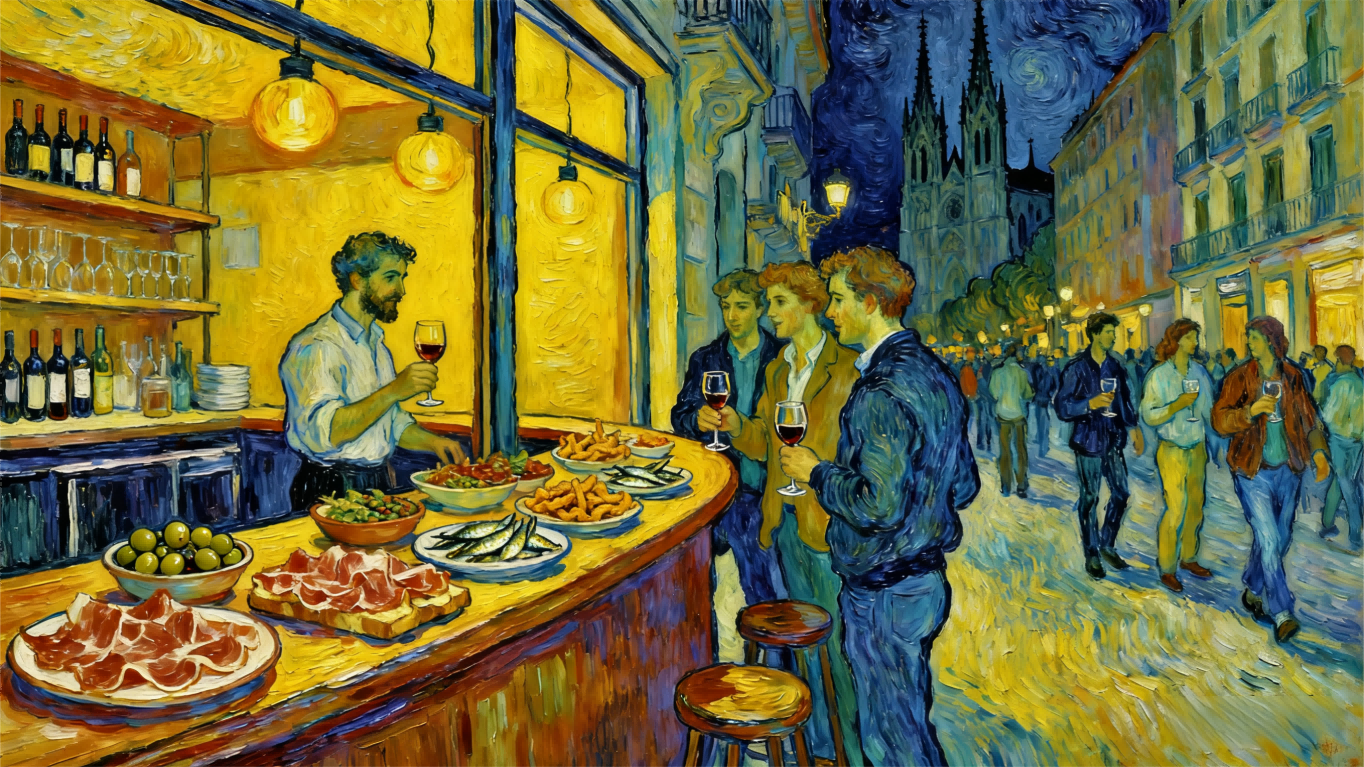
Detailed Explanation of Spanish Dining Habits:
① Time-shifted Meals: The Spaniards have a unique schedule. They have breakfast (Desayuno) at 7-9 am, followed by coffee and bread. Lunch is a simple meal at 12-14 pm, the main meal starts at 14-16 pm, dinner is at 21-23 pm, and after the meal, there is socializing at the bar until 1 am. This "Mediterranean time" originated from the time zone adjustment during the Franco era, although it does not match the geographical time zone, it has persisted to this day.
② The Social Code of the Lid: Tapas originally meant "lid" (a bread lid for wine to prevent flies), and now it has evolved into a small food culture. Ordering follows the principle of "one drink, one food", eating standing up is more authentic than sitting down. Common combinations include "(Iberian ham) with melon" and "(spicy potatoes) with garlic-yolk sauce".
③ Seafood Paella Ritual: Valencian Seafood Paella is made in a flat iron pot. Saffron gives the dish a golden color, symbolizing the sun. When served, the entire pot is brought out, and the host uses a wooden spoon to distribute it into individual shallow plates. Traditional Seafood Paella has a crispy "socarrat" at the bottom, which is regarded as the essence and needs to be scraped off and shared with a spoon. When eating, do not add tomato sauce (it will ruin the original flavor), and when squeezing lemon juice, drip it in a circular motion rather than concentrating it in one place.
④ Flamenco Dinner: In the "Tablao Flamenco" restaurants in Andalusia, dining is accompanied by Flamenco performances. When the dancers stomp their feet, diners need to remain quiet. After the performance, tap the table with fingers instead of clapping (to avoid disturbing the music rhythm). At this time, order a "Fino Sherry" to pair with (fried noodles), which is a classic way to experience Gypsy culture.
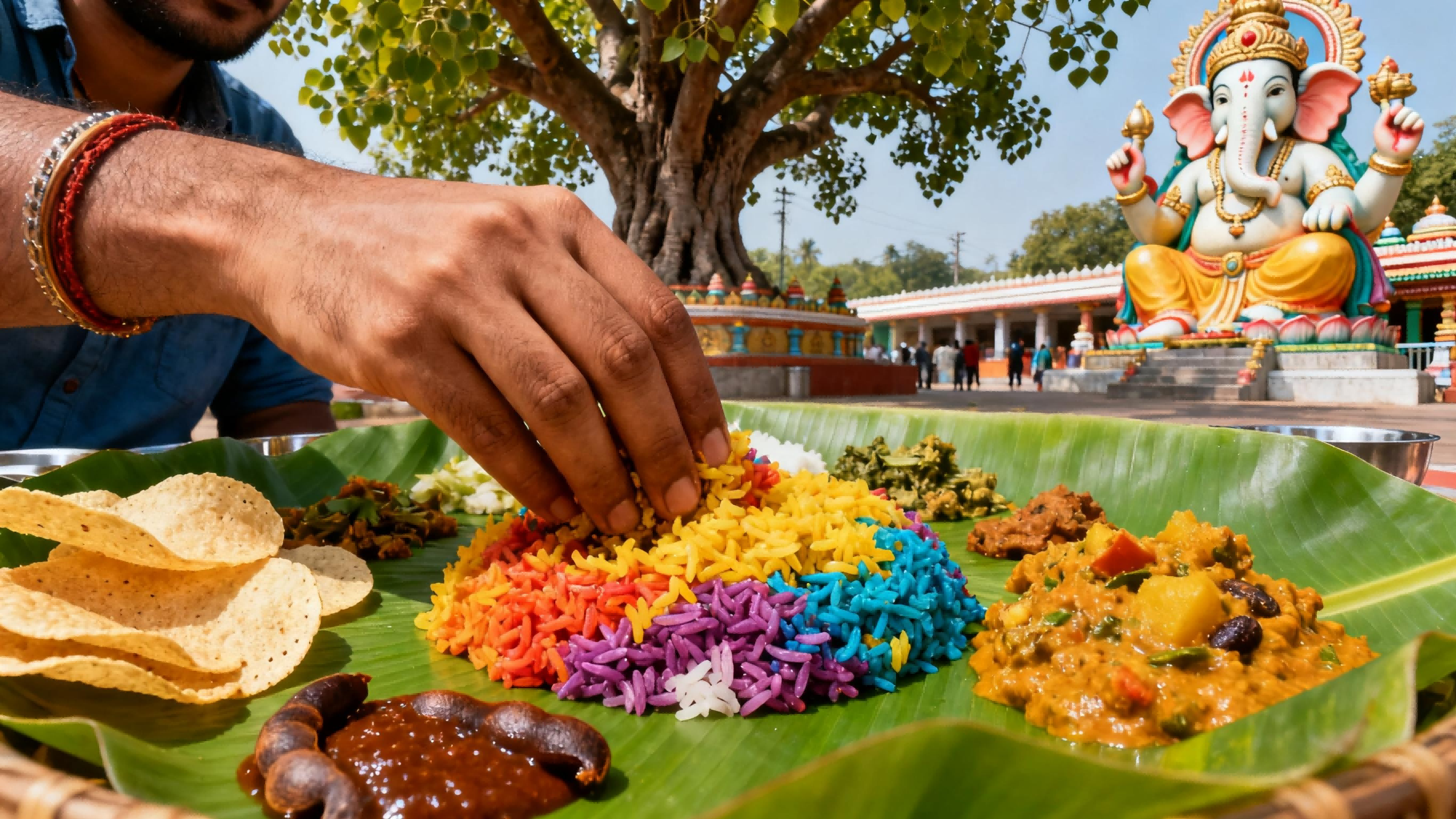
Detailed Explanation of Indian Dining Habits:
① The Sacredness of the Right Hand: According to Hinduism, the right hand is under the control of the "Sun God", while the left hand is under the control of the "Demonic Forces". Therefore, when eating, one must use the thumb, index finger, and middle finger of the right hand to hold the food, with the ring finger and little finger curled up. When holding the food, it should be kneaded into small balls and put into the mouth. One must not let the rice fall, and the residue should be wiped clean with bread and then eaten, embodying the religious doctrine of "not wasting a single grain of rice".
② The Environmental Wisdom of Banana Leaves: In South Indian feasts, banana leaves are used as plates. The veins on the leaves naturally separate different dishes - the upper part is for desserts, the lower part is for rice, the right side is for spicy dishes, and the left side is for salty dishes. Before the meal, the leaves should be rinsed with water, and after the meal, they should be folded into a half-moon shape to indicate satisfaction. The waiters will recycle the leaves as fertilizer. The entire process is zero waste.
③ The Class Code of Curry: In North India, curry is mostly made with cream and is yellow in color, while in South India, curry is spicy and is made with coconut milk and is red in color. Different colors represent different castes - Brahmins use saffron for vegetarian curry, and Kshatriyas use turmeric for meat-based curry. When dining, one should not ask about others' castes, but can determine it through the color of the curry and the tableware: those using metal plates are mostly of higher castes, and those using banana leaves are mostly of lower castes.
④ The Balance of Sweet and Salty Philosophy: Indian meals follow the sequence of "first spicy then sweet". The appetizer (triangle fried dumplings) is served to stimulate the appetite, the main course (naan bread) or (rice cake) is served, and the dessert (rose milk balls) or (sugar syrup crispy circles) must be eaten after the meal. When drinking tea, ginger and cardamom should be added, and it should be poured into a small cup for drinking, not directly from the pot, embodying the "slow eating" concept.