Interesting dining habits of various countries
Detailed Explanation of Korean Dining Habits:
① Order Respect: When the family sits together, one must wait until the eldest member picks up the spoon or chopsticks before others can start eating. Younger family members are not allowed to put down their utensils before the elders do.
② Sound Etiquette: It is acceptable to make a slight "slurping" sound when eating hot soup noodles or drinking kelp soup. This is regarded as a direct feedback to the deliciousness of the food. Especially when eating Korean bibimbap, the sound made by scraping the bottom of the clay pot with a metal spoon and the crispy crusts will make the host feel recognized.
③ Utensil Culture: Traditional Korean dining tables have a "spoon and chopstick set" placed on it. The metal spoon is used for eating and drinking soup, while the wooden chopsticks are specifically for picking up food. Chopsticks must not be inserted into the rice (conflicting with sacrificial rituals) and must not be placed crossed.
④ Sharing Spirit: Korean cuisine is characterized by "small dishes". From 5 to 20 bowls of kimchi, pickled radishes, dried fish, etc. need to be placed in the center of the table and served by the diners to pick up by themselves, reflecting the dietary philosophy of "eating alone, tasting together".

Detailed Explanation of French Dining Habits:
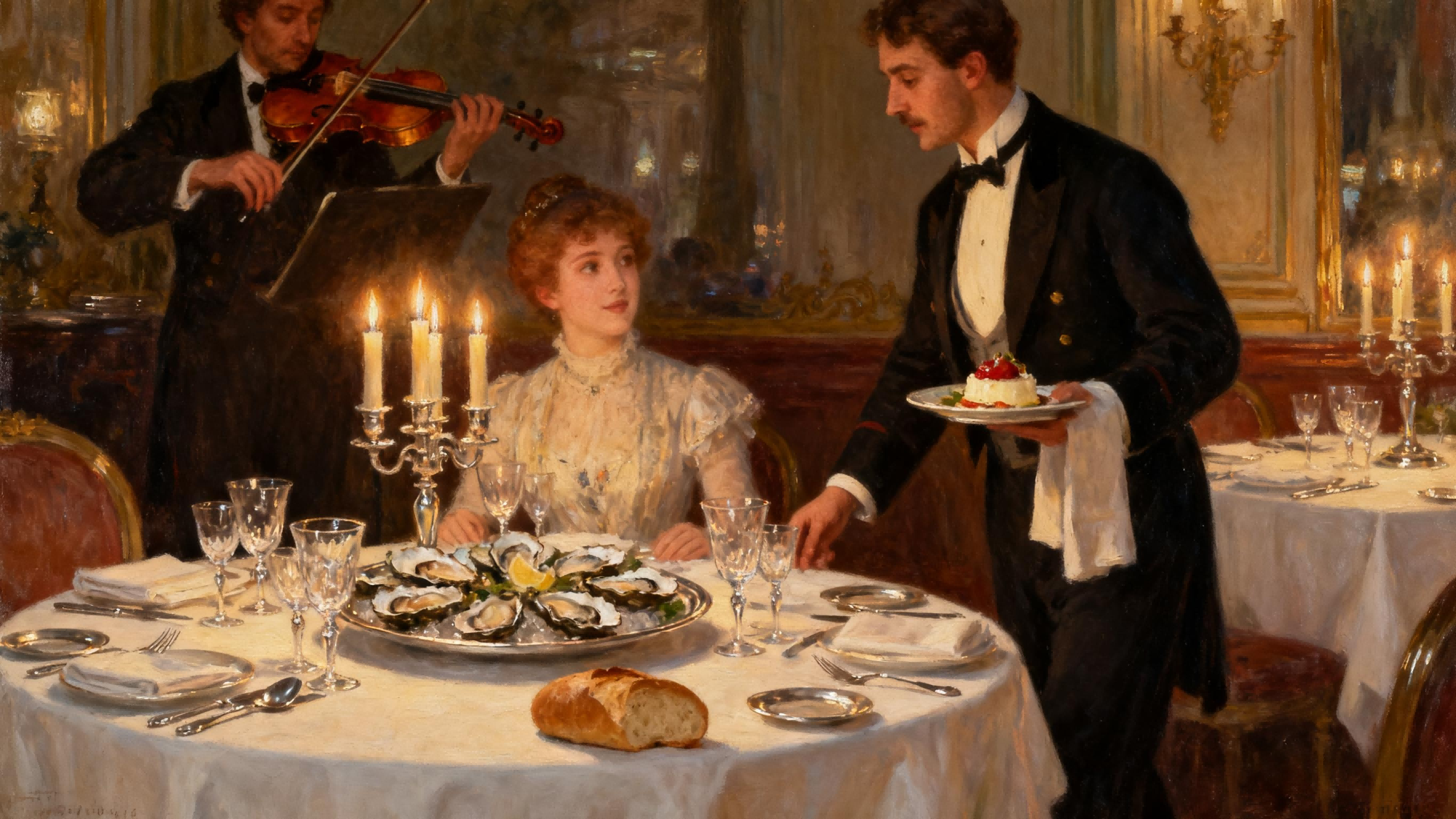
① Ritual Process:A formal French meal consists of: appetizer → soup → fish dish → main course → cheese → dessert → coffee / tea. The entire process can last up to 3 hours, and each dish should be accompanied by wine from different regions.
② Bread Culture:French bread is placed directly on the white linen tablecloth instead of on the plate. The diner should break it into small pieces with their hands and cannot use a knife to cut it. The bread should be eaten with the main course and cannot be consumed as a snack alone.
③ Oyster Etiquette:When eating oysters, a special oyster fork is used. A few drops of lemon juice are dripped to remove the fishy smell, and then according to personal preference, chili sauce or red vinegar can be added. Then, the oyster shell is lifted and eaten directly. After eating, the empty shell should be neatly placed on the edge of the ice tray.
④ Post-meal taboos:After the main course, (unsweetened strong coffee without cream) will be provided. At this time, no more food can be requested, and the coffee should be stirred with a small coffee spoon before being lifted and consumed directly with the cup and plate, demonstrating the refined attitude of "ending with the taste buds".
Detailed Explanation of Mexican Dining Habits:
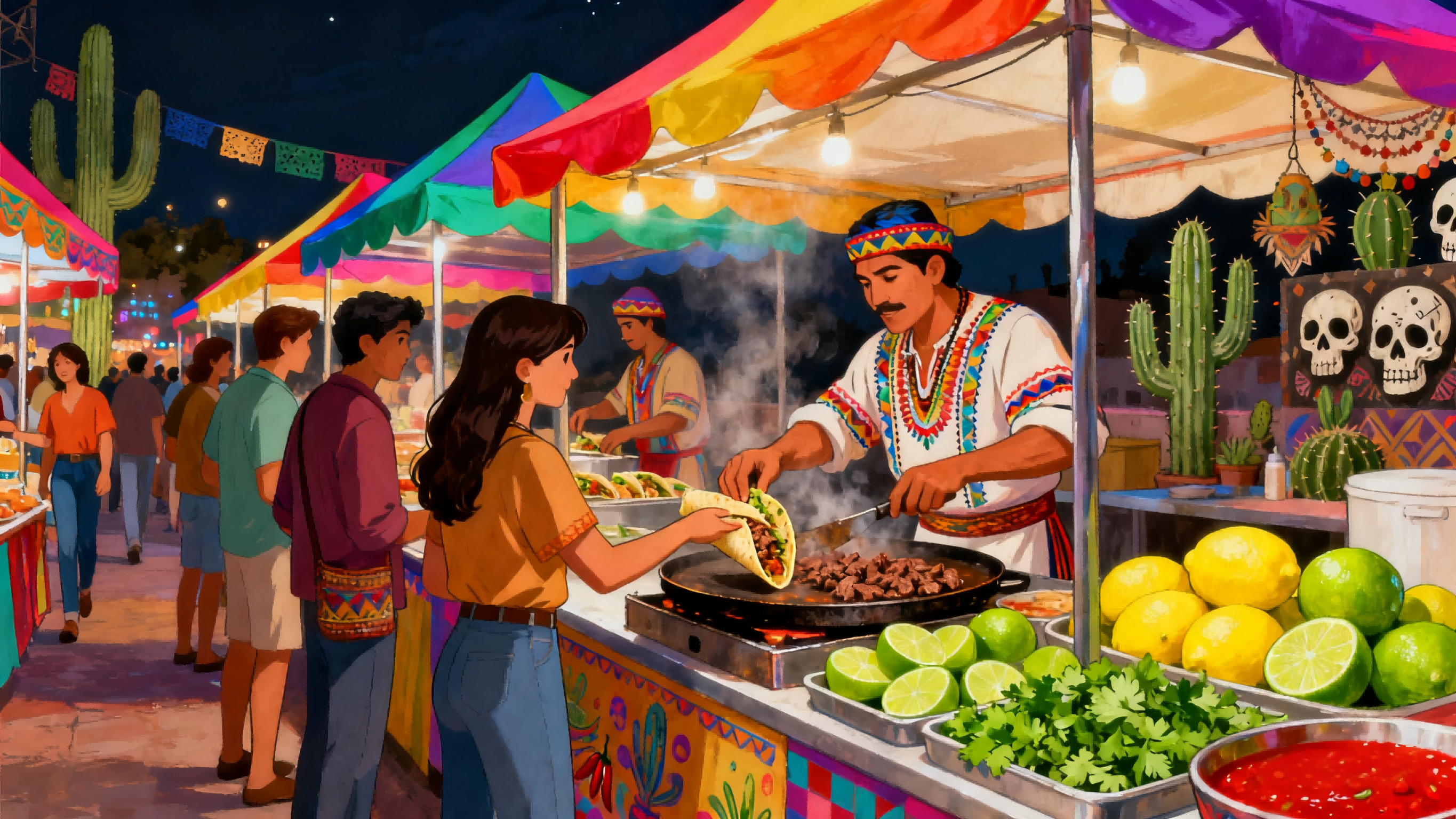
① Street Food Culture: 70% of the dining occasions in Mexico take place on the streets. (Taco stalls) are the social hubs. The stall owners quickly flip the beef paste on the iron plate, combine it with pineapple slices for roasting. The diners need to eat standing up, and eating while walking is regarded as an enjoyment of the delicious food.
② Hand-Pulling Art: When eating tacos, one needs to pinch the edge of the tortilla with the thumb and index finger, and support the bottom with the middle finger to prevent the filling from falling off. The traditional corn tortilla is more chewy than the flour tortilla, and it should be eaten immediately. If left for more than 10 minutes, it will be considered "losing its soul".
③ Spicy Philosophy: Mexicans' pursuit of spiciness is reflected in the "salsa level" - green salsa (mild), red salsa (medium spicy), mole (extremely spicy with nutty flavor). The diners will first try the spiciness with corn chips, and then decide which sauce to pair with. The restaurant will provide small plates of different colors based on the spiciness level.
④ Festival Cuisine: During the Day of the Dead, (Day of the Dead bread) is consumed. The surface is sprinkled with frosting to form the shape of bones, and it is paired with "Aztec chocolate" (hot cocoa with cinnamon). During the meal, photos of the deceased relatives are placed on the table, symbolizing "having a meal with the ancestors".
Detailed Explanation of Brazilian Dining Habits:
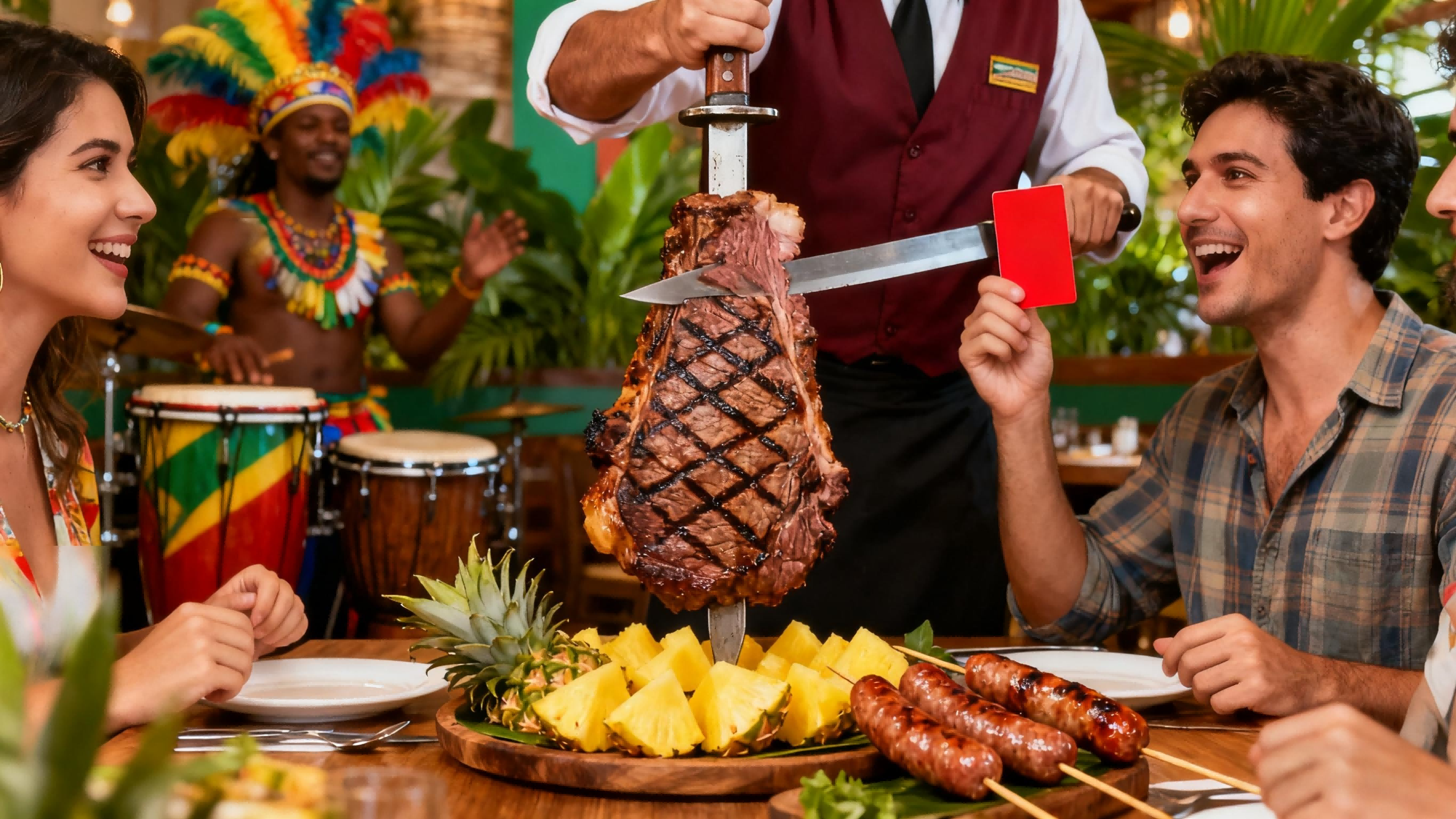
① Barbecue Feast: Brazilian barbecue originated from the Gaúcho herders. In modern restaurants, waiters hold long swords studded with beef tenderloins, lamb chops, sausages, etc., and move among the tables. Diners control the pace of meat consumption using "red and green cards" - the red card indicates "pause", and the green card means "another serving". On average, each diner will taste 8-12 different parts of the grilled meat.
② Buffet Culture: Besides barbecue, Brazilian restaurants also offer a buffet table with black bean stew, including cassava flour, banana chips, shredded cabbage, etc. Diners need to use public spoons to take food and cannot mix different foods in the same plate.
③ Guaraná Ceremony: After the meal, a carbonated beverage made from guarana fruit will be provided. Its caffeine content is three times that of coffee. Local people believe it can "break down fat". At the end of the meal, they clink glasses and say "Bom apetite!" (Good appetite), even if they are full, they should take a small sip of the beverage to show politeness.
④ Beach Dining: On the beach of Rio de Janeiro, vendors will sell trays filled with (Brazilian berry bowls) and shout from the beach. They serve fresh Brazilian berry ice cream with banana chips and granola cereal. Diners need to sit on beach chairs, enjoy the sun while scooping it with a spoon, and occasionally having sand fall into the bowl is regarded as "a gift from the beach".