I. China: Localized Innovations of Fast Food and Western Cuisine
1. Hamburger (originating from the United States, with roots in Germany)
Hamburgers have long transcended the label of "foreign fast food" and have become a staple food in China's fast-paced lifestyle. They originated from the German-style meat patty eating method and were later brought to the United States by German immigrants, who modified it into the American hamburger. After entering China along with the global fast food trend, they quickly adapted to the local conditions. Today, the market size of hamburgers in China has reached 200 billion yuan, forming a dual pattern of "international chains + local innovations": McDonald's and KFC's breakfast hamburgers precisely match the Chinese breakfast scene, with soft bread sandwiching tender meat patties and refreshing lettuce, becoming a convenient choice for office workers; while local brands like Tasiting boldly innovate, using Chinese steamed buns instead of traditional bread dough, creating a "Chinese hamburger" with a wheat aroma and crispy texture, paired with local fillings such as spicy chicken legs and pickled pork, making the hamburger more in line with the taste preferences of Chinese people. Whether it's the fast food windows around schools or the exquisite hamburger restaurants in shopping districts, you can see its presence, becoming a foreign delicacy loved by people of all ages.

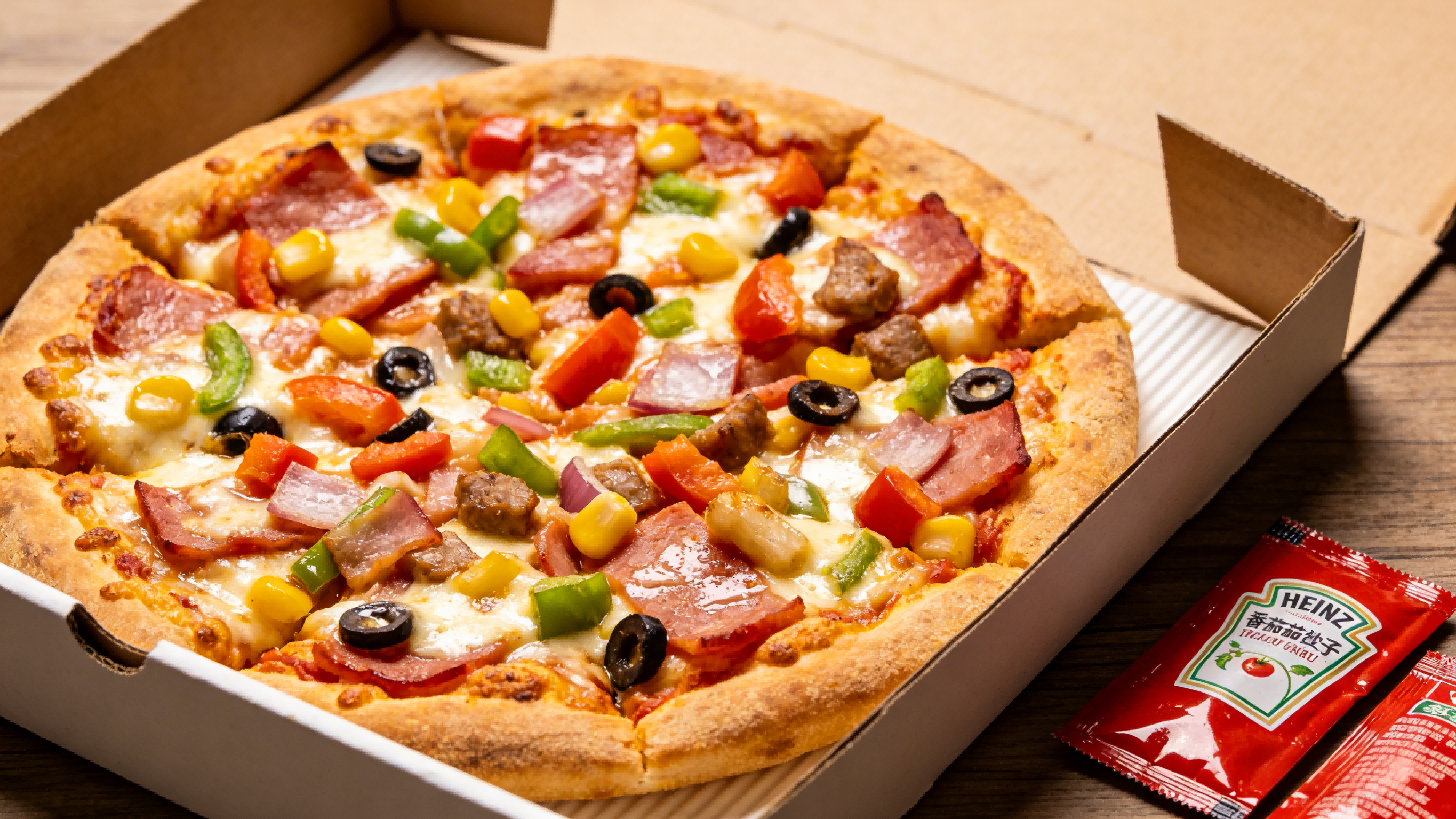
2. Pizza (originating from Italy)
The wide popularity of pizza in China is largely due to its "taste resonance" with Chinese pastries - both are a combination of "crust + filling". This reduces the acceptance threshold for the general public. The Neapolitan oven pizza in Italy, which is native to Naples, is characterized by its thin crust and few ingredients. After being introduced to China, it not only retains classic flavors such as tomato and meat sauce, and Hawaiian, but also has given rise to a large number of localized innovative varieties, such as spicy crayfish pizza, durian pizza, and Beijing-style meat and vegetables pizza, precisely capturing the Chinese people's love for strong flavors and unique ingredients. Domino's and Pizza Hut, international brands, have made pizza a popular choice for family gatherings and friends' get-togethers with their "30-minute guaranteed delivery" delivery service and diverse size options; small-sized pizzas are suitable for solo dining scenarios and solve the awkwardness of single-person meals. Nowadays, from freshly baked pizza on high-end restaurants' ovens to frozen heated options in convenience stores, pizza has deeply integrated into China's dining scene and has become one of the most popular Western food categories.
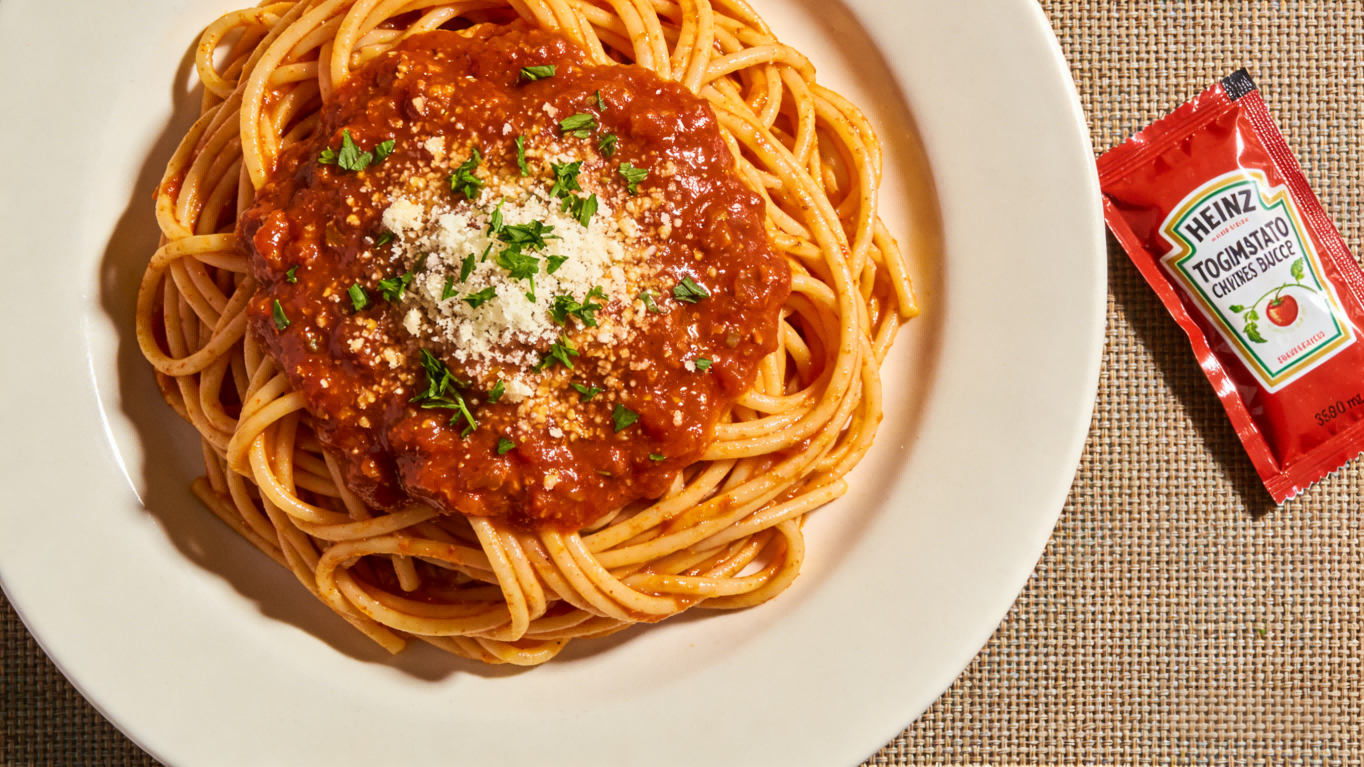
3. Pasta (originating from Italy)
As the foreign staple food that most closely resembles the Chinese noodle eating habit, pasta has gained popularity among the public since it entered China. It has achieved this through its diverse forms and sauce combinations. The varieties of pasta include long-shaped pasta, spiral-shaped macaroni, and butterfly-shaped Fararin, which can be paired with different sauces such as tomato meat sauce, cream mushroom sauce, and green sauce, creating a rich range of taste layers. Unlike the "elastic" hard texture preferred by Italians, Chinese people are more accustomed to cooking pasta slightly softer, which better suits the local eating taste. In recent years, with the rise of the trend of homemade cuisine, brands like Zongke have launched combinations of "pasta + sauce pack", allowing consumers to easily make pasta of Western restaurant standards at home, further promoting its popularity. Some brands have also introduced local flavors such as Sichuan-style pasta and black pepper beef pasta, combining Chinese seasonings with pasta, creating a unique "Chinese and Western fusion" flavor, and giving this foreign staple food new vitality.
II. The United States: A Culinary Melting Pot Created by Diverse Immigrants
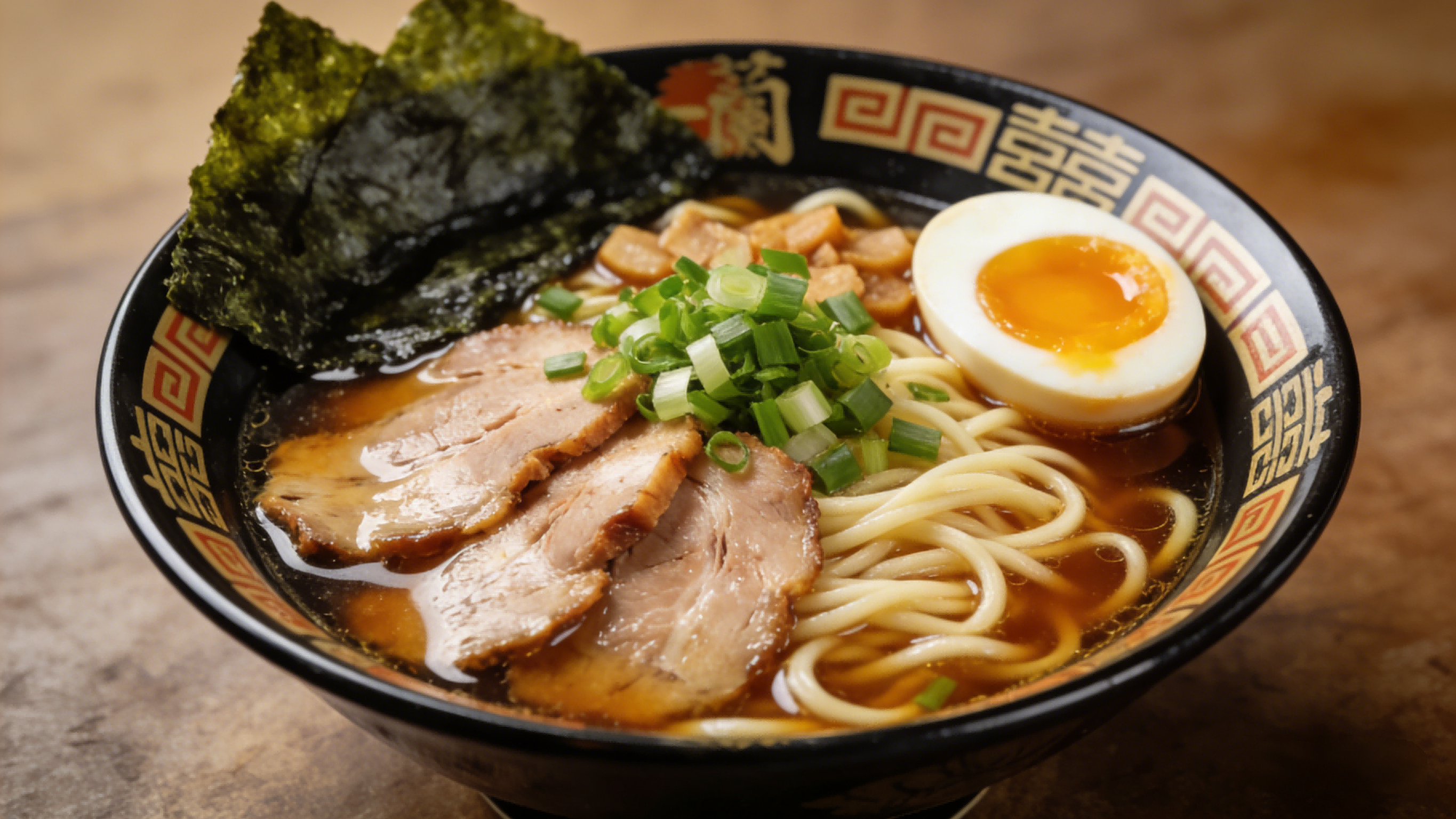
1. Japanese Ramen (Originating from Japan)
In the multicultural United States, Japanese ramen has become one of the most popular non-native foods due to its rich broth, chewy noodles, and abundant ingredients. According to the analysis by British travel insurance provider InsureandGo based on TikTok data, the total views of Japanese ramen in the United States reached 1.65 billion, clearly demonstrating its popularity. After being introduced to the United States, Japanese ramen has retained classic soup base types such as shoyu and miso, but has also undergone adaptational adjustments - the soup base of American ramen is usually more rich and thick, and the ingredients are also more diverse. Besides the traditional barbecued pork, soft-boiled eggs, and seaweed, it also incorporates American common ingredients such as cheese and avocado. In major cities like New York and Los Angeles, there are not only authentic Japanese ramen restaurants but also many innovative ramen establishments that combine the convenience of American fast food with the flavor of Japanese ramen, offering ramen sets that can be quickly picked up. Whether it's a warm lunch on a cold winter day or a late-night snack option, Japanese ramen can meet Americans' demands for deliciousness and warmth.
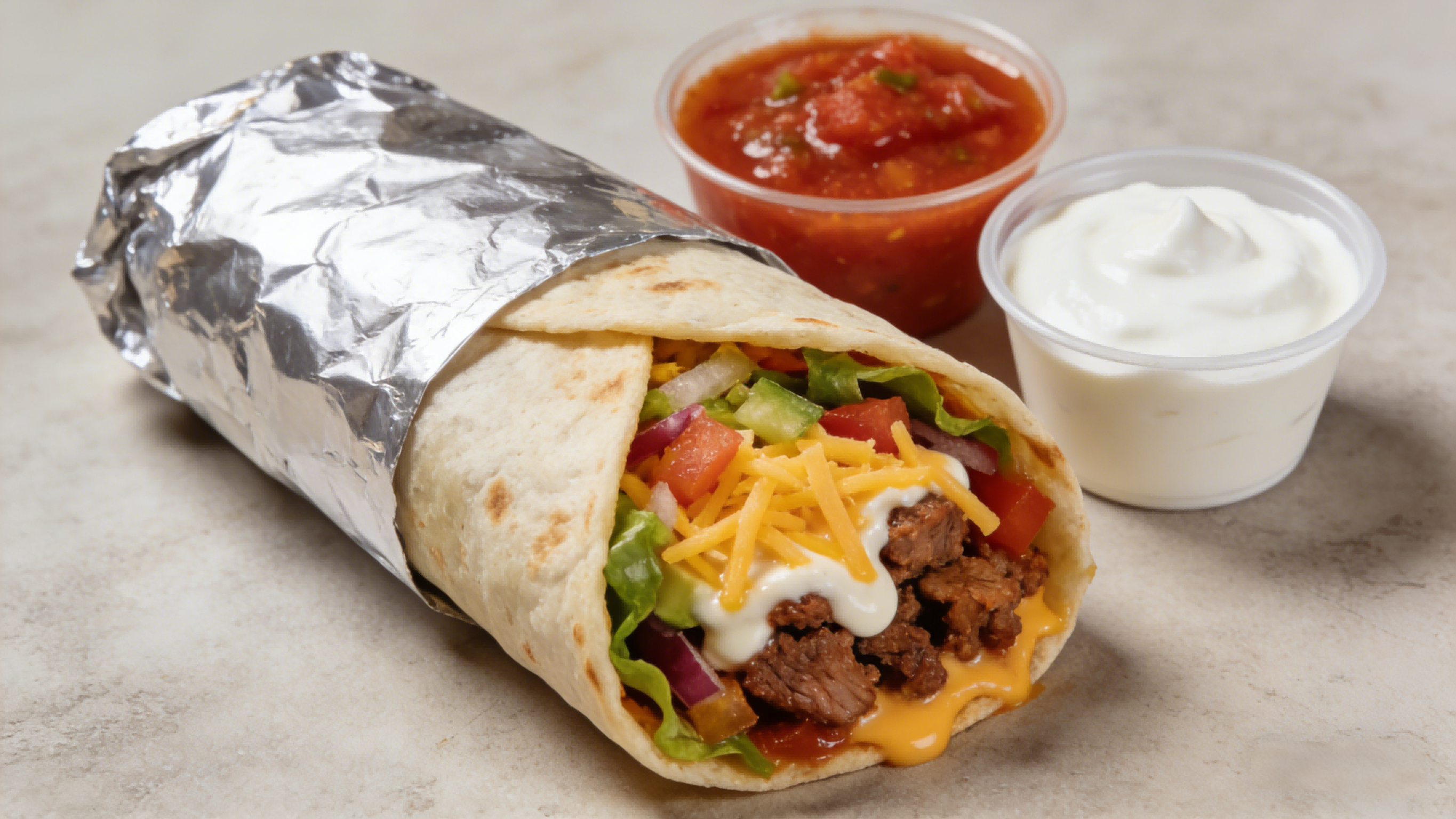
2. Mexican Wrap (originating from Mexico)
Thanks to the geographical advantage of the border between the United States and Mexico, the Mexican Wrap has long become an important part of the daily diet of Americans and is an extension of "American fast food culture". The Mexican Wrap is based on a soft corn tortilla or wheat tortilla, and is filled with grilled beef, chicken, beans, vegetables, etc., accompanied by sauces such as salsa and guacamole. When eaten, it offers a rich taste and a strong feeling of fullness. Its greatest advantage lies in "convenience" and "customization" - it can be bought at street food stalls, chain restaurants, or even convenience stores. Consumers can also choose the ingredients and sauces according to their own tastes, perfectly adapting to the diverse dietary needs of Americans. In regions near Mexico such as California, the way of eating Mexican Wraps is closer to the local style, with a slightly sour and spicy taste; while in eastern big cities, it will be adjusted according to the local people's tastes, reducing the spiciness and adding ingredients such as cheese. Whether as a quick choice for lunch or DIY ingredients for family gatherings, the Mexican Wrap occupies an important position among non-native foods in the United States.